
How to Excel in the Indian Army Agniveer Physical Efficiency Test (PET)
The selection process for the Indian Army under the Agniveer scheme is divided into two major phases: the Common Entrance Exam (CEE) and the Physical Fitness Test (PFT). While the CEE tests your academic abilities, the PFT evaluates your raw physical stamina, strength, and endurance. Achieving a high score in the physical fitness test is vital, as these marks are directly added to the final merit list for trades like Agniveer General Duty (GD) and Tradesman. This article outlines the exact structure of the Agniveer PFT and offers proven training tips to score a perfect 100 on the physical test.
1. Understanding the Physical Fitness Test Structure
The PFT is conducted at the recruitment rally grounds and consists of four main activities. The entire test is scored out of 100 marks. The standard marking scheme is as follows:
| Physical Activity | Group I (Excellent Performance) | Group II (Good Performance) | Nature / Status |
|---|---|---|---|
| 1.6 Km Running | Completed in 5 Mins 30 Secs or less (60 Marks) | Completed between 5 Mins 31 Secs to 5 Mins 45 Secs (48 Marks) | Marks counted in Merit List |
| Pull-Ups (On Beam) | 10 Pull-Ups (40 Marks) | 6 to 9 Pull-Ups (16 to 33 Marks) | Marks counted in Merit List |
| 9 Feet Ditch Jump | Successful Landing over ditch | No marks awarded | Qualifying Only |
| Zig-Zag Balance Beam | Walk across the beam smoothly | No marks awarded | Qualifying Only |
2. Pull-Ups Marking System
The number of pull-ups you perform determines your strength score. Performing fewer than 6 pull-ups results in immediate disqualification:
- 10 Pull-Ups: 40 Marks
- 9 Pull-Ups: 33 Marks
- 8 Pull-Ups: 27 Marks
- 7 Pull-Ups: 21 Marks
- 6 Pull-Ups: 16 Marks
- Less than 6: Disqualified
3. Step-by-Step Training Plan for 1.6 Km Run
Completing a 1600-meter run in under 5 minutes 30 seconds requires intense stamina, respiratory endurance, and running technique. Follow this structured training program for 8 to 12 weeks before the rally:
A. Interval and Speed Work (Twice a week)
Do not run long distances every day, as it limits your speed. Integrate speed intervals:
– Warm-up for 10 minutes with light jogging and stretching.
– Run 400 meters at your maximum speed (sprint), then walk for 90 seconds. Repeat this cycle 4 to 6 times.
– Gradually increase the distance to 800-meter intervals as your stamina improves. This trains your body to sustain a fast pace under fatigue.
B. Long Distance Endurance Runs (Once a week)
Stamina is built by running longer distances at a steady, comfortable pace:
– Dedicate one day (e.g., Saturday) to a long run of 5 to 6 Km at a moderate pace.
– This strengthens your cardiovascular system, lungs, and leg muscles, making the 1.6 Km rally run feel much shorter and easier to manage.
C. Strength Training & Core Exercises (Thrice a week)
A strong core prevents fatigue during the final 400 meters of the run:
– Practice planks, squats, lunges, and calf raises.
– Strong calf muscles and quadriceps provide the explosive push needed for the final sprint at the finish line.
4. Techniques to Maximize Your Pull-Ups Score
Many candidates fail to score 40 marks in pull-ups due to weak back muscles or poor grip:
– **Dead Hangs:** Hang from the pull-up bar for 1 to 2 minutes daily to build forearm strength and improve grip endurance.
– **Form Control:** Avoid using body momentum or swinging your legs (kipping) during the test. Perform clean, controlled movements with your chin going completely over the bar.
– **Negative Pull-Ups:** If you struggle to do even 3 pull-ups, use a bench to jump to the top position and lower your body as slowly as possible. This builds the eccentric strength needed for full pull-ups.
5. Essential Recovery, Nutrition, and Rally-Day Strategy
A clean diet is critical for recovery and muscle growth. Avoid oily and junk food during your training phase. Keep your diet rich in complex carbohydrates (like oats and brown rice), lean proteins (eggs, pulses, paneer), and stay hydrated by drinking at least 4 liters of water daily. On the day of the rally, arrive early and keep yourself warm with light stretches. Do not eat a heavy meal within 3 hours of the run. Carry an energy drink or a banana for a quick energy boost before entering the gate. During the run, stay near the inner edge of the running track, as running on the outer circle adds extra distance to your run.
Frequently Asked Questions (FAQs)
Q1. What is the total height requirement for Agniveer General Duty?
The height requirement varies by region, but for most parts of India, a minimum height of 170 cm is required for General Duty (GD).
Q2. Can I wear running shoes during the rally test?
Yes, wearing comfortable, lightweight running shoes is highly recommended. Avoid running barefoot to prevent cuts and injuries on the rally track.
Q3. What happens if I fail the 9-feet ditch jump?
The 9-feet ditch jump is a qualifying test. Failing to cross it successfully will result in immediate disqualification, even if you scored excellent marks in running.
Q4. How can I avoid leg pain (shin splints) during training?
Always warm up before running, run on soft surfaces like grass or clay tracks instead of hard concrete roads, and ensure your running shoes have adequate cushioning.
Q5. What documents are mandatory at the rally site?
You must carry your Admit Card, 20 passport-size photos, educational certificates (10th/12th mark sheets), domicile certificate, caste certificate, and character certificate.
Q6. Is there a medical test after the physical rally?
Yes, candidates who qualify the physical fitness test undergo a comprehensive medical examination the next day at the rally site.
Q7. Can I apply for Agniveer Clerk if I have bio-maths?
Yes, candidates who have passed 12th standard with Physics, Chemistry, Mathematics, and English with a minimum of 60% marks can apply for the Clerk post.
Q8. What is the age limit for the Agniveer recruitment?
The age limit for all Agniveer posts (General Duty, Technical, Clerk, Tradesman) is 17.5 to 21 years.
Q9. Do NCC certificate holders get marks relaxation?
Yes, NCC ‘C’ certificate holders are exempted from the written exam for GD and Tradesman posts, and NCC ‘A’ and ‘B’ certificate holders get bonus marks.
Q10. How long does the physical test training take?
It takes at least 8 to 12 weeks of regular, structured training to build the stamina required to score in Group I.
📊 Expert Cutoff Analysis & Preparation Strategy for Indian Army Agniveer Physical Efficiency Test (PET): Comprehensive Guide to Run & Pull-ups
Based on our editorial analysis of previous recruitment cycles and increasing competition trends, candidates must aim for safe target scores rather than merely clearing the minimum qualifying benchmark:
- Expected Safe Target: General/UR candidates should target 78%–84% marks in the written examination, while OBC/EWS aspirants should aim for 74%–80%.
- Focus Areas: Prioritize high-scoring sections such as General Intelligence & Reasoning and Quantitative Aptitude. Daily revision of static General Awareness and current affairs from the past 6 months is essential.
- Time Management: Practice with full-length sectional and mock tests strictly in timed exam conditions to improve accuracy and eliminate negative marking errors.
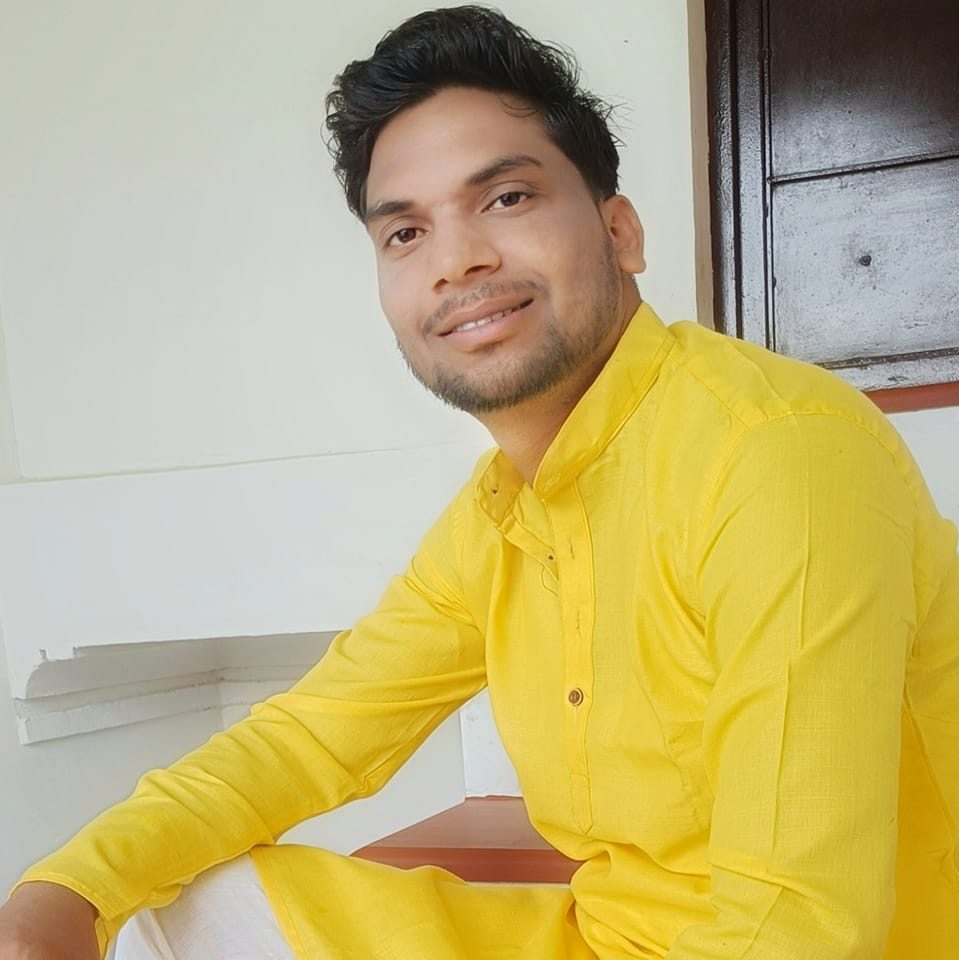
Ram Avtar is the Founder and Lead Career Analyst at Govt Results Alert. With over 6 years of experience analyzing Government Recruitment Notifications, SSC, Banking, and Railway examination patterns, he leads our fact-checking team to deliver authentic, timely, and verified job alerts directly from official government gazettes.