
SSC GD Constable 2026 Notification for 39,481 Vacancies
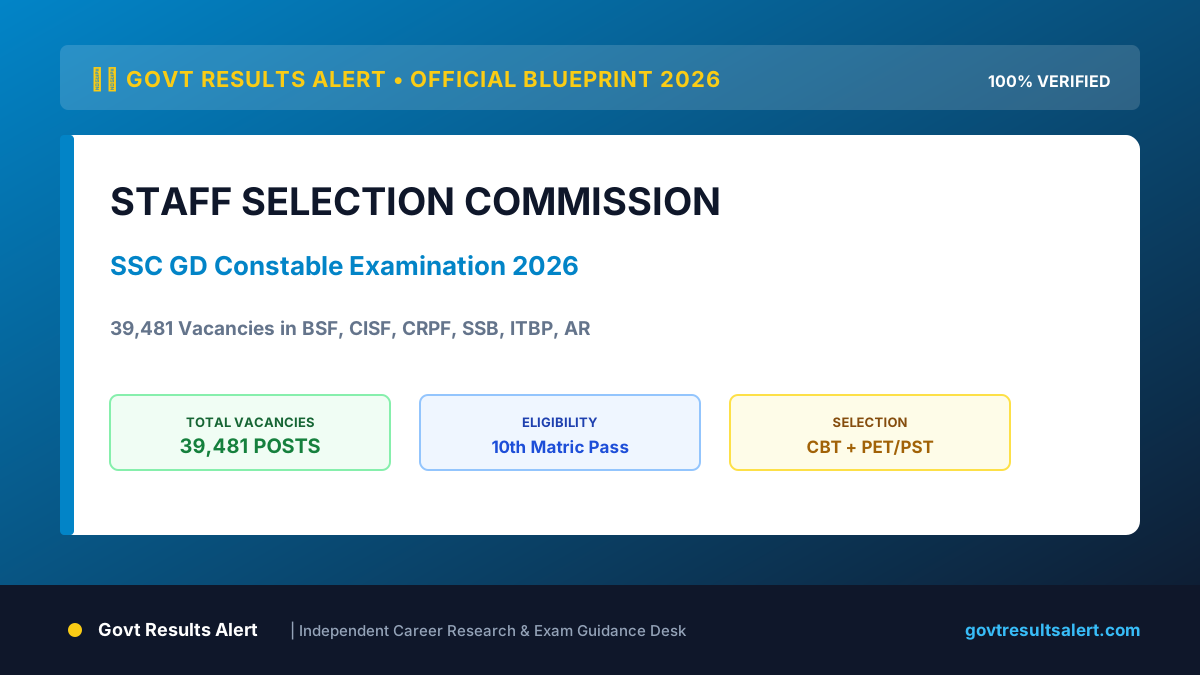
The Staff Selection Commission (SSC) has officially released the recruitment notification for Constable (General Duty) in Central Armed Police Forces (CAPFs), SSF, and Rifleman (General Duty) in Assam Rifles Examination 2026. A massive total of 39,481 vacancies have been announced for both male and female candidates across India. This nationwide recruitment drive provides an exceptional career opportunity for matriculate (10th pass) candidates seeking a prestigious and permanent service career in national defense forces like BSF, CISF, CRPF, SSB, ITBP, and Assam Rifles. Eligible aspirants can submit their online applications through the official commission portal. This article outlines the key parameters, physical standards, selection processes, detailed syllabus, study blueprints, and official guidelines.
1. SSC GD Constable Recruitment 2026 Overview
Refer to this summary table for quick information regarding the recruitment drive:
| Recruitment Parameter | Official Details |
|---|---|
| Name of Commission | Staff Selection Commission (SSC) |
| Post Name | Constable (General Duty) & Rifleman (GD) |
| Total Number of Vacancies | 39,481 Posts (Male: 35,612 | Female: 3,869) |
| Pay Scale Grade | Pay Level 3 (Basic Pay Rs. 21,700 to Rs. 69,100) |
| Application Mode | Online (Official SSC Portal) |
| Job Location | All India (Across CAPF Units) |
| Official Website | ssc.gov.in |
2. Force-Wise Vacancy Distribution
The 39,481 vacancies are distributed among various security forces as follows:
| Force / Organization | Male Vacancies | Female Vacancies | Total Vacancies |
|---|---|---|---|
| Border Security Force (BSF) | 13,310 | 2,305 | 15,615 |
| Central Industrial Security Force (CISF) | 11,550 | 1,280 | 12,830 |
| Central Reserve Police Force (CRPF) | 8,420 | 180 | 8,600 |
| Sashastra Seema Bal (SSB) | 1,850 | 42 | 1,892 |
| Indo-Tibetan Border Police (ITBP) | 410 | 52 | 462 |
| Assam Rifles (AR) | 72 | 10 | 82 |
| Total Combined | 35,612 | 3,869 | 39,481 |
3. Eligibility Criteria: Age Limit & Educational Qualifications
- Educational Qualification: Candidates must have passed the Matriculation (10th Standard) Examination from a recognized Board/University as of the prescribed cutoff date.
- Age Limit: 18 to 23 years. Relaxation in the upper age limit is applicable as per government norms: 5 years for SC/ST candidates, 3 years for OBC candidates, and additional concessions for Ex-Servicemen.
4. Comprehensive Selection Process
The recruitment process consists of four sequential stages:
- Computer Based Examination (CBE): Objective multiple-choice test consisting of 80 questions carrying 160 marks (60 minutes duration).
- Physical Standard Test (PST) & Physical Efficiency Test (PET): Height, chest measurement, and endurance running tests.
- Detailed Medical Examination (DME): Assessment of vision, physical health, and medical fitness by authorized medical boards.
- Document Verification (DV): Scrutiny of original academic, caste, and identity certificates.
5. Previous Year Cutoff Score Analysis & Safe Score Projections
To qualify for top preferences such as CISF, SSF, and BSF, candidates must target scores well above the basic minimum qualifying cutoff. Below is an analytical review of previous cutoff score trends across major northern and central zones:
| Category | Previous Year Average Marks | Expected Safe Score (Out of 160) |
|---|---|---|
| General / Unreserved (UR) | 128 – 136 Marks | 138 – 145 Marks |
| Other Backward Classes (OBC) | 124 – 132 Marks | 134 – 140 Marks |
| Economically Weaker Section (EWS) | 120 – 128 Marks | 130 – 136 Marks |
| Scheduled Caste (SC) | 110 – 118 Marks | 120 – 126 Marks |
| Scheduled Tribe (ST) | 102 – 112 Marks | 112 – 120 Marks |
6. 4-Month Systematic Preparation Strategy & Daily Study Blueprint
- Phase 1 (Months 1 & 2): Complete the entire theoretical syllabus of General Intelligence & Reasoning (coding-decoding, series, analogies) and Elementary Mathematics (arithmetic, percentages, ratios).
- Phase 2 (Month 3): Master General Knowledge with daily revision of 6 months of current affairs, Indian constitution, modern history, and basic general science.
- Phase 3 (Month 4): Solve 2 full-length mock tests daily under exact timed conditions. Analyze wrong answers rigorously to minimize negative marking (0.25 marks penalty per wrong answer).
7. Frequently Asked Questions (FAQs)
Q1: What is the minimum educational qualification for SSC GD 2026?
Candidates must have passed 10th standard (Matriculation) from any recognized board in India.
Q2: What is the physical running standard for male and female candidates?
Male candidates must complete 5 km in 24 minutes. Female candidates must complete 1.6 km in 8.5 minutes.
Q3: Is there negative marking in SSC GD computer exam?
Yes, there is a penalty of 0.25 marks for every incorrect answer.
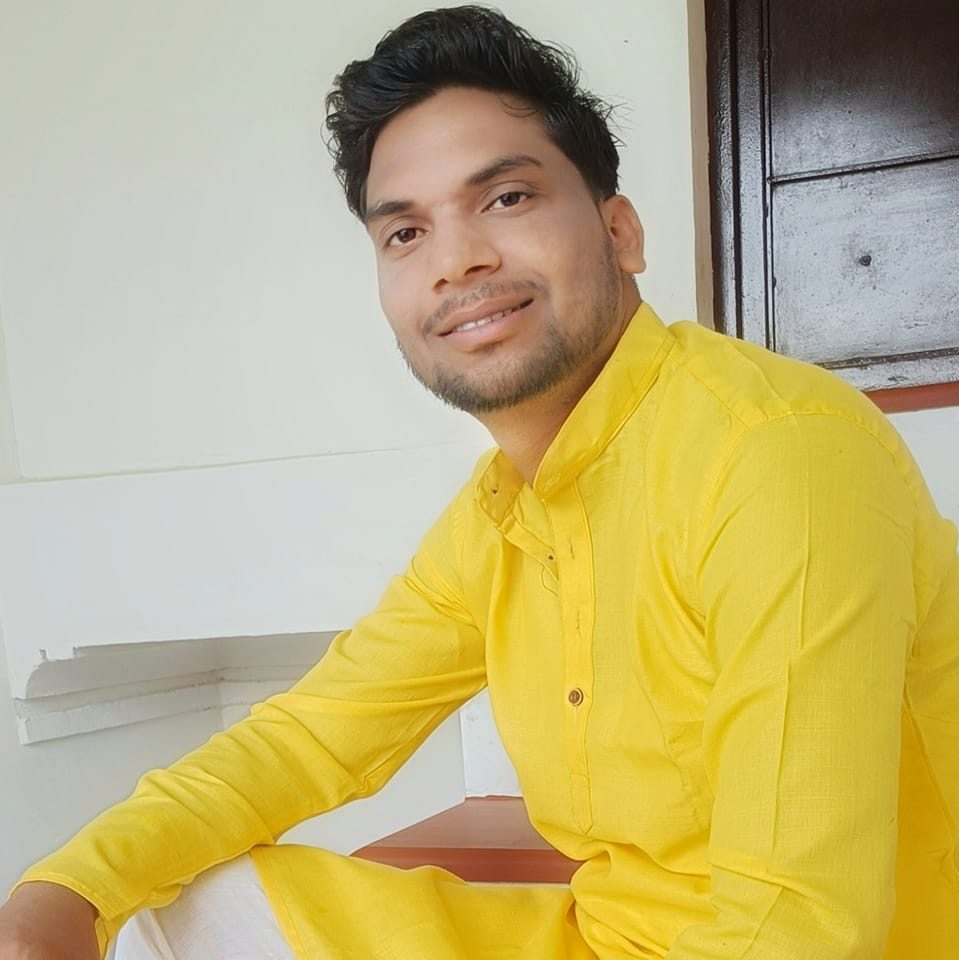
Ram Avtar is the Founder and Lead Career Analyst at Govt Results Alert. With over 6 years of experience analyzing Government Recruitment Notifications, SSC, Banking, and Railway examination patterns, he leads our fact-checking team to deliver authentic, timely, and verified job alerts directly from official government gazettes.